
Construction Fuel Best Practices for Cost-Effective Project Management
Managing fuel efficiently is critical to successful construction project planning. Heavy equipment, generators, and machinery require a steady energy supply to maintain productivity and meet deadlines. Without proper planning, fuel waste, unexpected delays, and increased operating expenses can quickly affect project budgets.

A well-organized approach to construction fuel management helps contractors improve efficiency while protecting equipment performance. From choosing the right supplier to monitoring consumption patterns, smart fuel practices allow construction teams to control costs and maintain smooth operations across job sites.
Why Fuel Management Matters in Construction Projects
Construction sites often operate with multiple machines, including excavators, loaders, cranes, and generators. These assets consume significant amounts of fuel daily, making fuel planning an important part of overall project management.
Poor fuel management can create several challenges, such as:
Higher operating expenses caused by unnecessary fuel usage
Equipment downtime due to supply shortages
Increased maintenance needs from poor fuel quality
Scheduling problems caused by delayed refueling
A strategic fuel plan gives project managers better visibility into consumption rates and helps prevent disruptions. Reliable tracking systems, proper storage practices, and scheduled deliveries can make fuel usage more predictable and cost-effective.
Choose the Right Fuel Supply Strategy
The right fuel approach can significantly affect construction efficiency. Every project has different requirements based on equipment size, operating hours, location, and fuel demand.
Many contractors benefit from professional construction fuel services because these solutions are designed around job site needs. A qualified provider can support fuel delivery planning, storage recommendations, and ongoing supply coordination.
For large-scale projects, working with experienced suppliers can reduce administrative tasks and help teams focus on construction operations instead of fuel logistics. Tropic Oil provides fuel solutions designed to support construction operations in Miami and surrounding areas.
Improve Cost Control With Accurate Fuel Tracking
Fuel expenses can become difficult to manage when you don't monitor consumption regularly. Tracking fuel usage allows managers to identify waste, improve budgeting accuracy, and make informed decisions.
Useful fuel management practices include:
Recording daily fuel consumption by equipment type
Reviewing fuel usage trends throughout the project
Identifying machines with unusual fuel consumption
Creating refueling schedules based on actual demand
Digital monitoring tools can also provide better visibility into fuel levels and delivery requirements. These insights help prevent unnecessary purchases and reduce the risk of running out of fuel during important construction phases.
Maintain Equipment Performance With Quality Fuel
Fuel quality directly affects the performance and lifespan of construction machinery. Contaminated or improperly stored fuel may cause engine issues, reduced efficiency, and increased maintenance requirements.
Construction teams should focus on:
Using clean fuel storage systems
Protecting fuel from moisture and contamination
Following manufacturer recommendations
Scheduling regular equipment inspections
Along with fuel supply, proper lubrication is essential for heavy machinery. A professional construction lubricants service can help support equipment maintenance by providing suitable products that reduce friction and improve component protection. Combining quality fuel management with proper lubrication practices helps construction companies maintain reliable equipment performance throughout demanding projects.
Plan for Continuous Fuel Availability
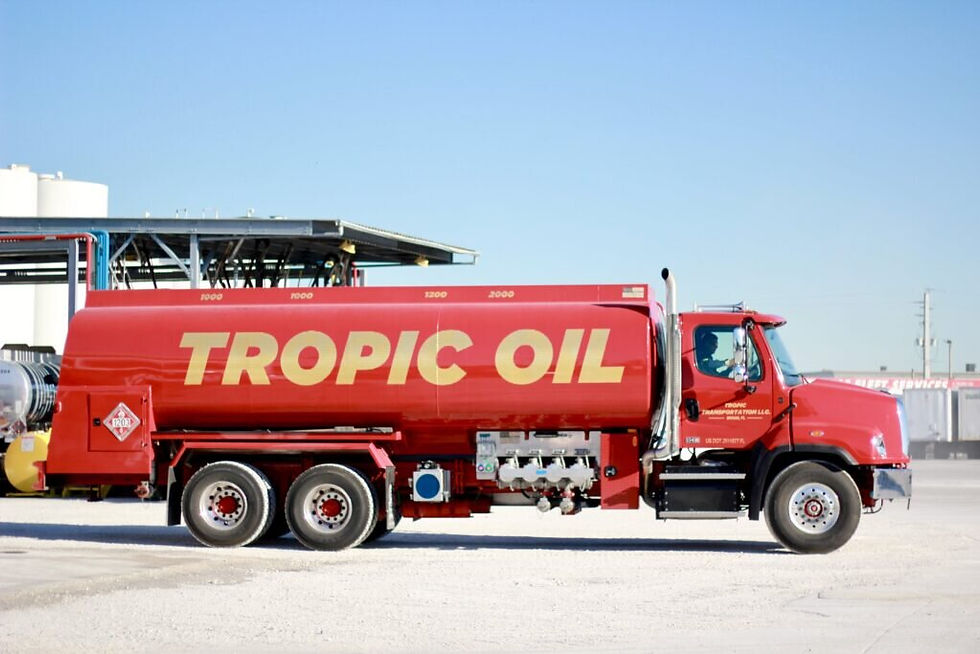
Construction projects often operate under strict timelines, and fuel interruptions can slow progress. Having a structured delivery plan ensures equipment receives the required fuel when needed. Many businesses choose 24/7 construction site fuel services to support projects that operate beyond standard working hours. This service helps contractors manage changing schedules and maintain fuel availability during extended operations.
Another benefit of 24/7 construction site fuel services is improved planning flexibility. With proper support, teams can handle emergency fuel needs, overnight operations, and unexpected increases in equipment usage more efficiently.
Reduce Waste Through Better Site Practices
Reducing fuel waste is one of the simplest ways to improve project profitability. Small improvements in daily operations can create significant savings over a construction project's life.
Effective practices include:
Turning off idle equipment when not in use
Training operators on efficient machine operation
Inspecting equipment for fuel-related issues
Storing fuel safely to prevent losses
Regular communication between project managers, equipment operators, and suppliers also improves coordination. When everyone understands fuel goals, construction teams can reduce unnecessary consumption and improve overall efficiency.
Need reliable construction fuel support in Miami? Call +1 (305) 888-4611 to discuss fuel delivery solutions, project requirements, and service options designed to help keep heavy equipment operating efficiently.
How Professional Support Improves Fuel Planning
Managing fuel independently can become challenging for projects with multiple machines and changing requirements. Professional construction fuel services provide structured support that helps companies organize supply, delivery schedules, and fuel management processes.
Experienced providers understand construction demands and can recommend solutions based on project size and equipment needs. This approach helps businesses avoid costly interruptions while maintaining consistent operations.
A complete construction lubricants service can also complement fuel planning by supporting machinery care and reducing avoidable equipment problems. Together, fuel and lubrication strategies create a stronger foundation for efficient project management.
Frequently Asked Questions
What factors influence construction fuel costs?
Fuel costs can change based on market conditions, project size, equipment usage, delivery requirements, and operational schedules.
How can construction companies reduce fuel waste?
Companies can reduce waste by monitoring usage, maintaining equipment properly, training operators, and improving daily fuel management routines.
Why is fuel storage important on construction sites?
Proper storage protects fuel quality, improves safety, and helps prevent equipment issues caused by contamination or poor handling.
How does equipment maintenance affect project budgets?
Regular maintenance helps prevent unexpected breakdowns, reduces downtime, and supports longer equipment service life.
What should companies consider when selecting a fuel provider?
Businesses should consider experience, delivery options, service coverage, product quality, and the ability to support project requirements.
Conclusion
Effective fuel management plays an important role in controlling construction costs and improving project performance. By tracking consumption, maintaining equipment, and planning fuel deliveries, contractors can run more efficiently.
Smart construction fuel strategies help reduce waste, support productivity, and keep heavy equipment working when it matters most. Partnering with experienced providers and using organized fuel practices can give construction teams better control over expenses and daily operations. View the Tropic Oil location on Google Maps for convenient directions to service support in Miami.


Comments