
Why Rack Manifold Systems Are Essential for High-Density Computing

Modern computing environments are rapidly evolving, driven by artificial intelligence, cloud expansion, and high-performance workloads. As processing power increases, so does heat generation, creating serious challenges for infrastructure design. Traditional air-based cooling methods are no longer sufficient to support these extreme thermal loads, especially in dense server environments. This is where the role of the manifold becomes essential. As data centers become more compact and performance-driven, the demand for advanced thermal management solutions.
Understanding the Role of Rack Manifold Systems in Modern Infrastructure
What is a Rack Manifold?
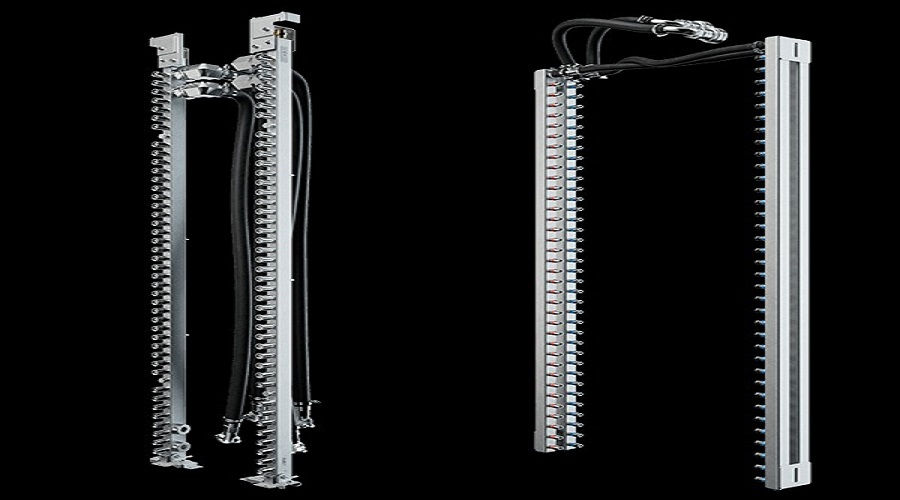
A rack manifold is a fluid distribution system integrated into server to efficiently deliver and return coolant. It serves as a central hub connecting multiple servers to a liquid cooling system, ensuring consistent temperature regulation across all components. In high-density environments, maintaining thermal balance is crucial. A properly designed server rack manifold ensures that heat is removed at the source, reducing the risk of thermal throttling and hardware degradation.
Evolution of Rack-Based Cooling Design
Earlier data center designs relied heavily on air circulation. However, as compute density increased, engineers began shifting toward liquid-based cooling systems. This transition led to the development of liquid cooling manifold technologies, which allow direct coolant delivery to high-heat components. Today, they are a standard component in advanced cooling systems for AI clusters, HPC environments, and enterprise data centers.
How Rack Manifold Systems Improve Cooling Efficiency
Efficient Coolant Distribution
A well-designed system ensures that coolant is distributed evenly across all connected servers. This prevents hotspots and ensures uniform thermal performance across the rack. The liquid cooling manifold design minimizes pressure loss and improves flow stability, which is critical for maintaining system efficiency in high-load environments.
Enhanced Thermal Stability
One of the key advantages of using rack manifolds is improved thermal stability. By directly integrating cooling pathways within the rack, temperature fluctuations are minimized, ensuring consistent performance even under continuous workload conditions.
Reduced Energy Consumption
Compared to traditional air-based systems, its significantly reduce the energy required for cooling. This makes them an essential part of sustainable data center design, especially in environments where energy efficiency is a priority.
The Importance of Server Manifold in High-Density Computing
Supporting High-Performance Workloads
Modern applications such as AI training, machine learning, and real-time analytics require continuous processing power. It ensures that these workloads can operate without thermal interruptions.
Enabling Compact Infrastructure Design
As computing systems become more powerful, physical space becomes a limiting factor. It allow higher server density within a smaller footprint by efficiently managing heat at the rack level. It is a critical component in modern liquid cooling architectures, designed to distribute and manage coolant flow efficiently across multiple servers within a rack.
Integration with Direct Liquid Cooling
Many modern cooling architectures use direct liquid cooling manifold designs, which connect directly to heat-generating components. This integration enhances cooling efficiency and allows for more precise thermal control.
Rack Manifold Systems in Data Center Environments
Role in Modern Data Centers
In today’s data center environments, thermal efficiency is a key performance indicator. A data center plays a central role in maintaining this efficiency by ensuring consistent coolant flow across manifolds.
Scalability for Future Growth
As computing demands continue to grow, scalability becomes essential. They are designed to expand with infrastructure needs, making them ideal for large-scale deployments.
Reliability and Maintenance Advantages
They are engineered for durability and ease of maintenance. This ensures long-term reliability in mission-critical environments in Calgary, where downtime is not an option.
Engineering Design Considerations for Manifold Systems
Flow Optimization and Pressure Control
A key aspect of design is ensuring optimal coolant flow. Engineers carefully balance pressure levels to maintain efficient distribution without straining the system.
Material Selection and Durability
The materials used in rack manifold systems must withstand continuous thermal cycling and high-pressure conditions. This ensures long-term system stability in demanding environments.
Integration with Cooling Infrastructure
This includes compatibility with pumps, heat exchangers, and monitoring systems to ensure full thermal management coverage.
Key Benefits
Improved Performance Stability
By maintaining consistent temperatures, it helps ensure that computing systems operate at peak performance without thermal interruptions.
Higher Compute Density
A liquid-based rack manifold systems allow for more servers to be placed within a single rack, significantly increasing compute density without overheating risks.
Energy Efficiency Gains
Reducing reliance on air-based cooling systems lowers overall energy consumption, making an important part of sustainable infrastructure strategies.
Industry Adoption and Innovation
Leading thermal engineering organizations, such as CoolIT Systems, are advancing level cooling technologies that support high-density computing environments. These innovations are helping shape the future of liquid cooling infrastructure across modern data centers.
Challenges in Rack Manifold Implementation
System Integration Complexity
Integrating rack manifolds into existing infrastructure may require redesigning server layouts and cooling pathways, adding complexity to deployment. Proper planning and compatibility assessment help reduce integration challenges and ensure smooth implementation.
Maintenance and Monitoring Requirements
Although efficient, it require precise monitoring to ensure consistent performance and prevent coolant flow issues. Regular system checks and automated monitoring tools can help maintain optimal cooling efficiency.
Initial Deployment Considerations
While initial setup may require planning and investment, long-term operational efficiency often outweighs the upfront complexity. Over time, improved energy savings and system reliability provide a strong return on investment.
Conclusion
They are no longer optional in high-performance computing environments; they are foundational. As workloads become more demanding and infrastructure becomes more compact, the importance of efficient thermal distribution continues to grow. From improving energy efficiency to enabling higher compute density, liquid cooling manifold systems are reshaping how modern data centers operate. To explore advanced cooling solutions and engineering expertise, visit our location and connect with thermal design specialists.

FAQs
What is a rack manifold in data center cooling?
It is a fluid distribution system used in liquid cooling setups to deliver coolant efficiently across servers within a rack, ensuring stable thermal performance in high-density environments.
How does a liquid cooling rack manifold improve efficiency?
A liquid cooling improves efficiency by evenly distributing coolant, reducing hotspots, and maintaining consistent temperature control across all connected servers.
Why is a server manifold important in modern computing?
A server rack manifold is important because it supports high-density workloads by enabling efficient heat removal at the rack level, preventing performance loss from overheating.
What role does a direct liquid cooling manifold play?
A direct liquid-cooling manifold delivers coolant to heat-generating components, improving thermal transfer efficiency and enabling higher compute density in data centers.
Are rack manifold systems suitable for large-scale data centers?
Yes, they are highly scalable and widely used in large data centers because they enable efficient cooling distribution and support long-term infrastructure expansion.


Comments